 905-571-7441





Why Emotional Regulation Matters?
Life is full of ups and downs. From everyday frustrations to major life stressors, our ability to manage emotions effectively shapes our relationships, mental health, and overall wellbeing. Emotional regulation isn’t about suppressing feelings—it’s about understanding, expressing, and responding to emotions in healthy ways.
Mastering emotional regulation is a lifelong skill that benefits everyone, helping us navigate stress, conflict, and uncertainty with resilience and clarity. It gives you a sense of control over how you respond to different situations.
What Is Emotional Regulation?
Emotional regulation refers to the ability to monitor, manage, and respond to emotional experiencesappropriately. It involves:
- Recognizing and understanding your emotions
- Expressing feelings in safe and effective ways
- Using strategies to reduce negative emotional intensity
- Maintaining emotional balance during challenging situations
It’s a foundational aspect of emotional intelligence and is linked to better mental health, stronger relationships, and increased life satisfaction.
Benefits of Emotional Regulation:
- Reduces Stress and Anxiety
Being able to regulate emotions prevents them from escalating into chronic stress or panic, promoting calm and clarity.
- Improves Relationships
Emotional regulation helps you respond thoughtfully rather than react impulsively, enhancing communication and connection.
- Supports Mental Health
Poor emotional regulation is linked to depression, anxiety, anger issues, and difficulty coping with life transitions.
- Enhances Decision-Making
Managing intense emotions prevents them from clouding judgment, allowing for rational and balanced choices.
- Builds Resilience
Regulation skills help you recover more quickly from setbacks and navigate challenges effectively.
Common Myths about Emotions:
Many people grow up believing misleading ideas about emotions — that they’re dangerous, a sign of weakness, or something to hide. These myths can make it harder to cope, communicate, and build healthy relationships. Below is a simplified breakdown of the most common misconceptions and the truths behind them.
Myth 1: “Some emotions are good, and others are bad.”
Truth: Every emotion serves a purpose.
Even uncomfortable feelings like fear, anger, or guilt give us important information. They protect us, guide us, and signal where our boundaries or values may have been crossed.
Myth 2: “There’s a right way to feel.”
Truth: Emotional reactions are deeply individual.
Two people can experience the same situation and feel completely different things — and both responses are valid. There is no “correct” emotional response.
Myth 3: “Talking about emotions is pointless.”
Truth: Naming emotions makes them more manageable.
Talking about what we feel helps us understand and organize our inner experience. This often reduces emotional intensity and creates clarity.
Myth 4: “If I show emotion, others will think less of me.”
Truth: Emotional honesty strengthens relationships.
Being open about feelings builds trust, connection, and authenticity. People relate more to vulnerability than to emotional perfection.
Myth 5: “If I let myself feel too much, I’ll lose control.”
Truth: Avoiding emotions increases their power.
Suppressing feelings makes them stronger and harder to manage. Allowing yourself to feel them — safely — actually helps them pass more quickly.
Myth 6: “I should be happy all the time.”
Truth: Happiness is a part of life, not a constant state.
Social media and cultural pressures can make it seem like sustained happiness is the norm. In reality, a full emotional life includes ups and downs.
Myth 7: “Emotions are less important than logic.”
Truth: We need both.
Logic helps us solve problems, but emotions tell us what matters. A balanced approach leads to healthier decisions.
Myth 8: “My feelings are always accurate.”
Truth: Emotions are signals — not facts.
Strong emotions can lead to assumptions or misinterpretations. It’s important to pause and check the evidence before reacting.
Myth 9: “Women are emotional, men are logical.”
Truth: Research shows both genders feel emotions similarly.
Differences in expression often come from social expectations, not biology.
Myth 10: “Other people control how I feel.”
Truth: We are responsible for our emotional responses.
Others can influence our feelings, but they don’t control them. Emotional regulation involves understanding triggers, choosing responses, and owning our reactions.
Evidence-Based Emotional Regulation Skills
- Mindfulness and Awareness
Pay attention to your emotions without judgment. Mindfulness exercises help you recognize triggers and prevent automatic, reactive responses.
Practice: Pause for a few deep breaths when you feel overwhelmed. Name your emotion: “I feel frustrated” or “I feel anxious.”
- Cognitive Reappraisal
Reframe a situation to reduce negative emotional impact. This involves changing the way you interpret events rather than trying to control the events themselves.
Example: Instead of thinking, “I failed completely,” reframe as, “I learned something useful for next time.”
- Breathing and Relaxation Techniques
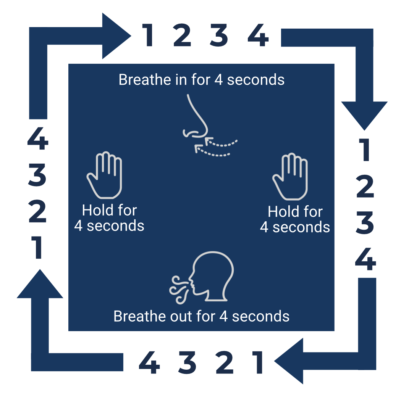
Slow, deep breathing activates the parasympathetic nervous system, reducing physiological stress responses.
Practice: Inhale for 4 counts, hold 4, exhale for 4 counts. Repeat for 1–2 minutes.
- Emotional Expression
Express feelings through safe channels like talking with a trusted person, journaling, or creative outlets (art, music, movement).
- Problem-Solving Skills
Address the source of stress rather than getting stuck in the emotional response. Break problems into manageable steps and brainstorm solutions.
- Self-Compassion
Treat yourself with kindness instead of self-criticism. Acknowledge that emotions are natural and temporary.
Daily Practices to Strengthen Emotional Regulation
- Check-in with emotions: Take brief pauses throughout the day to identify and label feelings.
- Maintain healthy routines: A good sleep, healthy diet and nutrition, and exercise supports emotional stability.
- Use grounding techniques: Focus on senses or surroundings to reduce emotional intensity.
- Set healthy boundaries: Protect energy and reduce triggers that overwhelm emotions. This can include limiting conversations from people that drain your energy and focusing on your mental health.
- Seek support: If you are experiencing intense emotions, finding a therapist and or a support group can help you feel less isolated and more supported in your life.
Emotional regulation is a skill, not a trait, meaning anyone can strengthen it with consistent practice. By learning to recognize, process, and respond to emotions effectively, you can enhance your mental health, relationships, and resilience. These skills empower you to navigate life’s challenges with balance and clarity.
Ready to boost your emotional regulation skills? Try one strategy today. Share this post with someone who could benefit, or download our free “Emotional Regulation Skills Guide” to start practicing evidence-based techniques.
Reviewed and edited by Rashmi Ramalingam RP Qualifying (Registered Psychotherapist) at Finding Solutions Together.
Recent Comments